
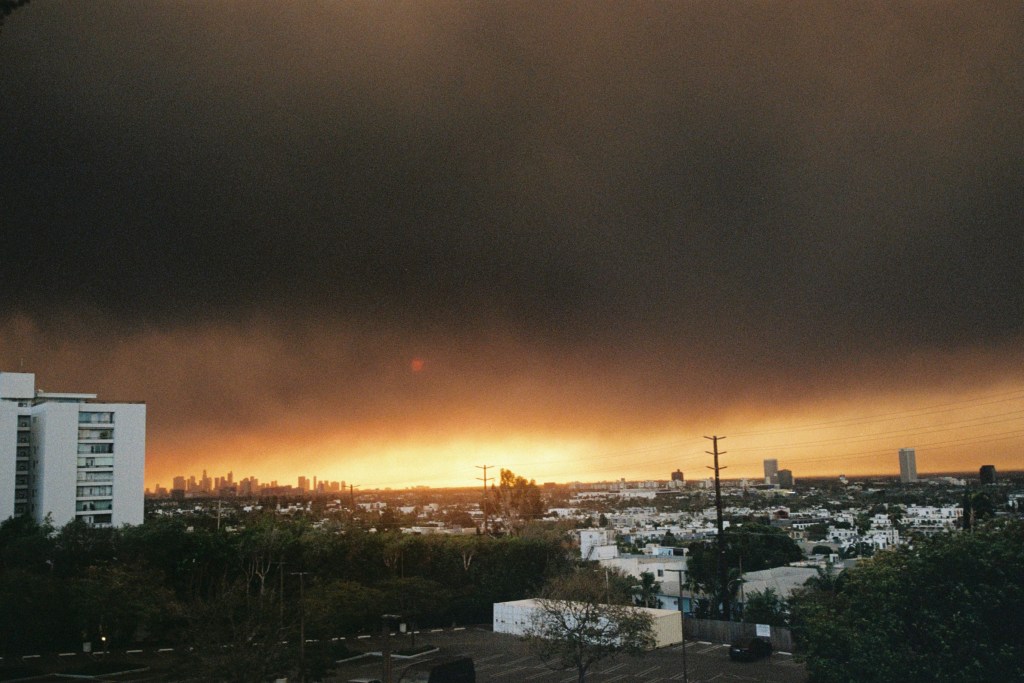
If you could un-invent something, what would it be?
There’s an interesting story about poisoning in Bill Bryson book “A Short History of Nearly Everything”.
I wanted to tell you about this today. Why about this poisoning, because when I first read today’s prompt, immediately this section came into my mind.
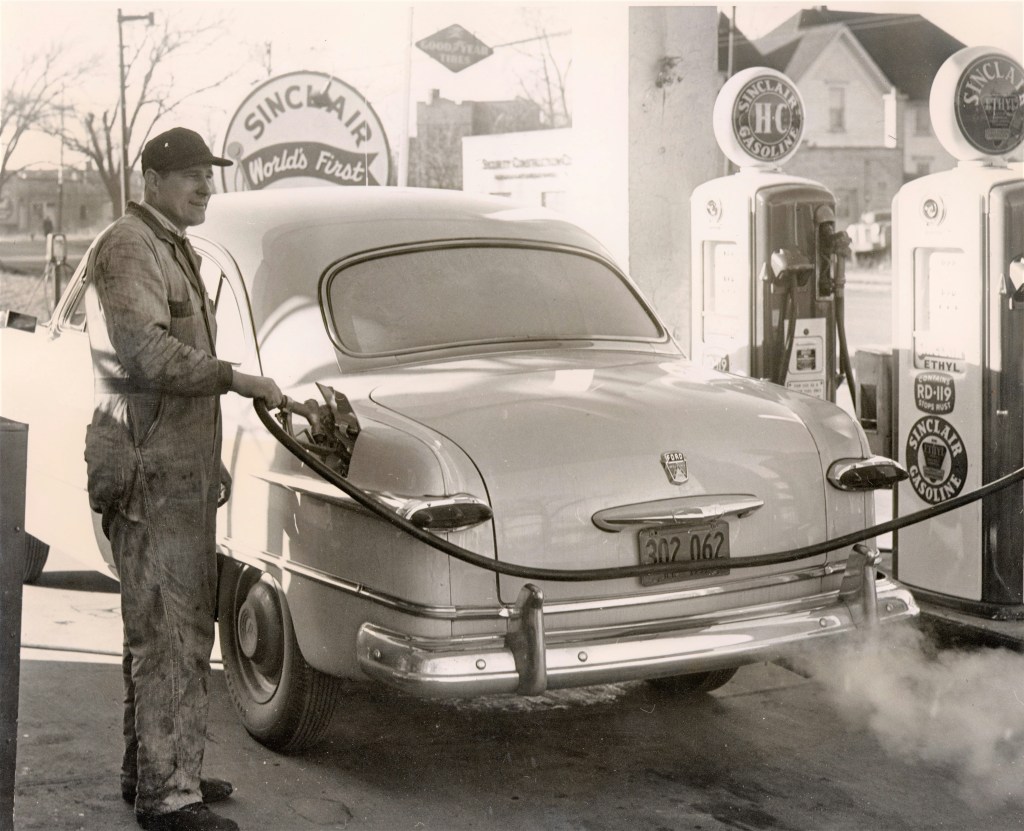
For decades, lead was added to petrol, paint, pipes, and everyday materials. Cars released it into the air, homes trapped it in walls, and children absorbed it without anyone realizing the damage being done. It wasn’t loud or dramatic. It was slow, invisible, and widespread. By the time we understood that lead damages the brain especially in children, entire generations had already lived with its effects.
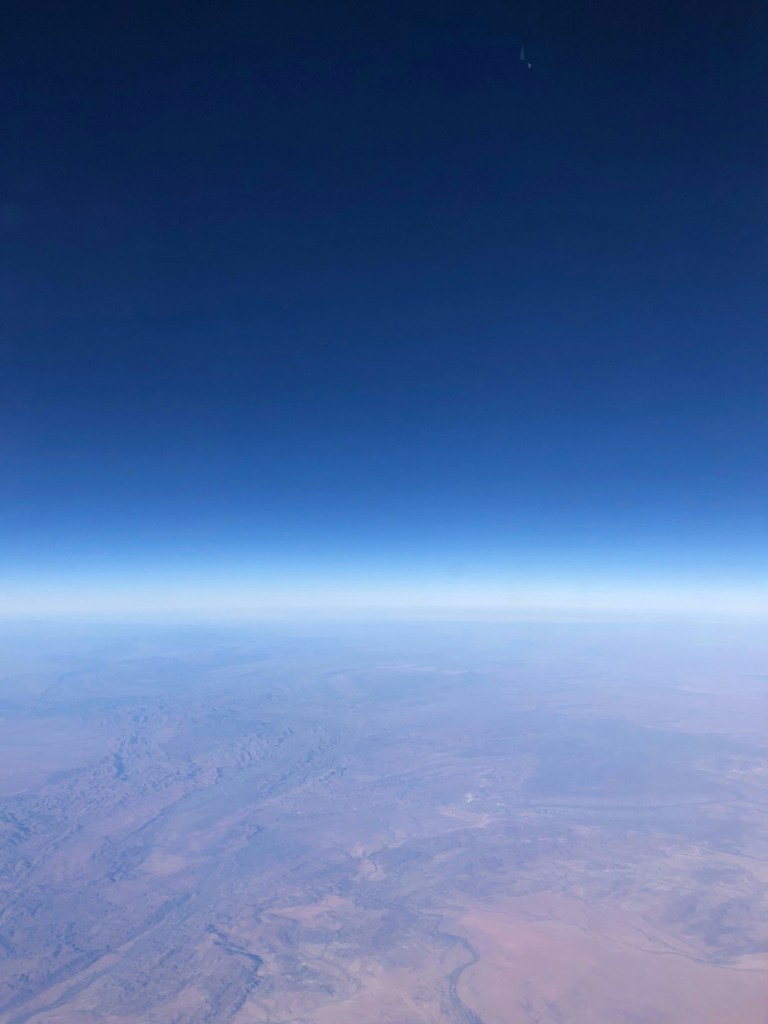
Another invention I wish we had never created is CFCs (chlorofluorocarbons).
They were considered a miracle: safe, stable, non-toxic. Used in refrigerators, air conditioners, and aerosol sprays, CFCs made modern life more comfortable. Only later did we discover that they were rising into the atmosphere and tearing holes in the ozone layer, the thin shield that protects life on Earth from harmful radiation.
What troubles me most about lead and CFCs is not just the harm they caused, but how confident we were while causing it.
Both were invented to improve life. Both worked exactly as intended. And both revealed their dangers only after the damage was already done.
If I could un-invent something, I would un-invent our blind faith that progress is always harmless and remind ourselves that every invention deserves humility, patience, and caution.
Because sometimes, the most dangerous things are not those meant to harm us, but those meant to help us.
 Uncompiled Stories
Leave a comment