

“All we have to decide is what to do with the time that is given us.”
— J.R.R. Tolkien, The Fellowship of the Ring
The Beacon That Lit My Imagination: Discovering Tolkien
I first heard about The Lord of the Rings during my diploma days. My curiosity was sparked when a classmate of one of my college friends – Thippeswamy, a name that struck me as unusual back then – mentioned the beacons of Gondor calling for aid from the Rohirrim. That image stayed with me, igniting a quiet flame of interest.
Before that, I had glanced at the Wikipedia page of this book. I skimmed the plot summary, but it didn’t pull me in. I felt lost in the complexity and wasn’t intrigued at the time.
But something about the idea of a beacon – lit in desperation, burning with hope – stirred something inside me. I wanted to know more. So I went to the local book market and searched for a copy. To my surprise, I found one that looked ancient, almost mystical. It had a strange, earthy smell I liked. The edges were curled, the pages stitched at the spine. It felt fragile, like something sacred. I still have that book in my personal collection.

Reading Tolkien: A Journey Through Middle-earth
When I began reading, I quickly realized the writing style was unlike anything I’d encountered. Written in the first half of the 20th century, it had an old-world rhythm and depth. This was my first foray into high fantasy, and I had unknowingly picked up an abridged edition that combined all three volumes into one. The story felt endless at times – but in the best way possible.
Tolkien’s descriptions were mesmerizing. He painted every location with such precision that I could almost see, smell, and feel the landscapes. Take the chapters set in Ithilien, where Frodo meets Faramir – Tolkien describes every tree, shrub, and plant with botanical detail. I don’t think we see that kind of literary craftsmanship much anymore.
Language, Lore, and Legacy
Tolkien didn’t just write a story – he built a world, complete with its own languages. I remember staring at the Elvish inscription on the cover, trying to decipher it. One of my dreams was to learn this “made-up” language, just to feel closer to the world he created.
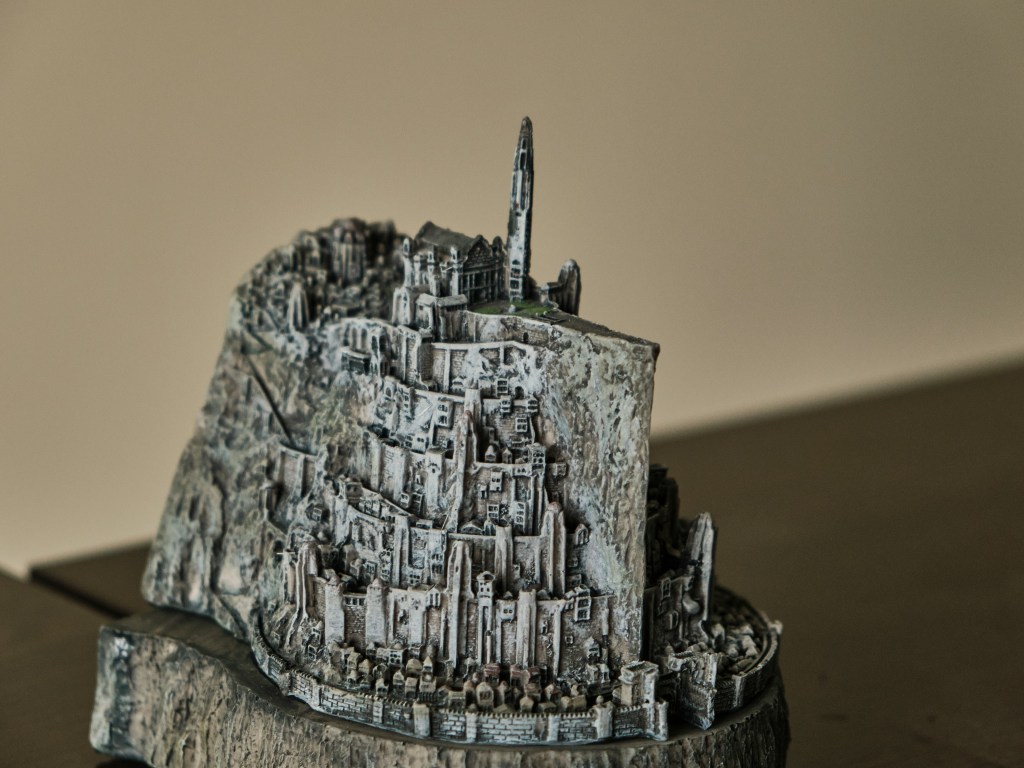
After finishing The Lord of the Rings, I dove deeper into Middle-earth. I read The Hobbit, then Unfinished Tales, and finally The Silmarillion – a dream come true. That book felt like the soul of Tolkien’s universe. My favorite tale is that of Beren and Lúthien, who dared to steal a Silmaril from the Dark Lord himself. Their love and bravery moved me deeply.
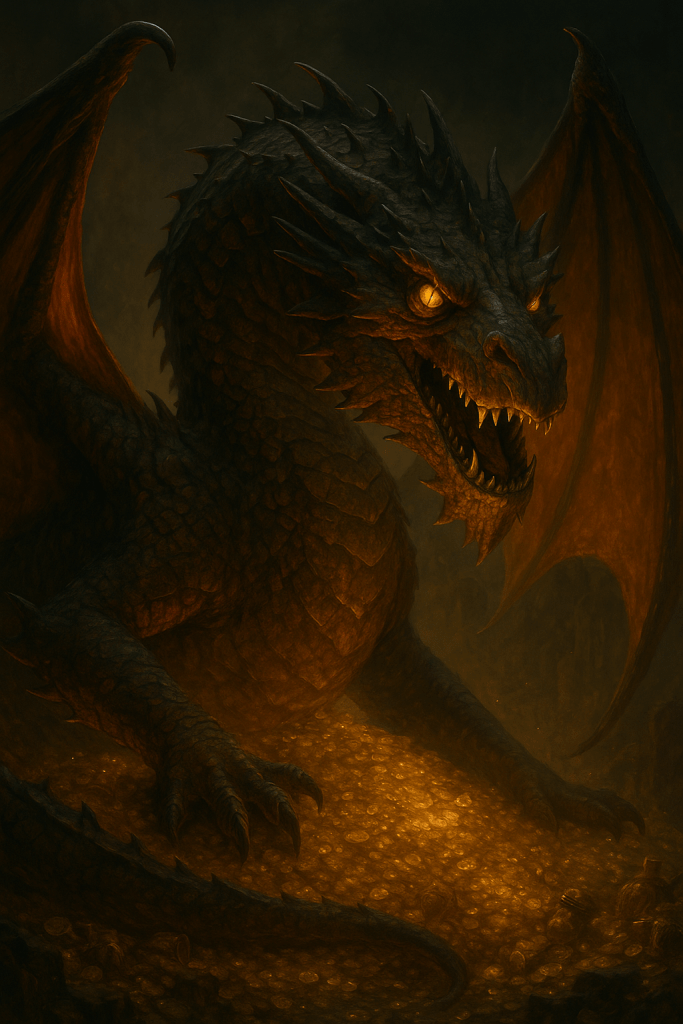
The hidden cities of Nargothrond and Gondolin fascinated me. The idea of concealing entire civilizations from the Enemy was pure genius. And of course – dragons. No fantasy world feels complete without them. If there are no dragons, is it even fantasy?
A Flame That Still Burns
Tolkien took me on a journey unlike any I had experienced before. His work didn’t just entertain me – it inspired me. I began imagining my own fantasy world, crafting storylines and dreaming of writing a series of books someday.
He didn’t just shape my reading habits; he shaped my creative spirit. And it all began with a single moment – Thippeswamy mentioning the beacons of Gondor. That beacon lit a fire in me, one that still burns. I feel grateful and blessed. If not for that conversation, I might never have discovered this world, or the version of myself that emerged from it.

 Uncompiled Stories
Leave a comment