

“Myth is history seen through the eyes of belief, and history is myth seen through the eyes of time.”
— Anonymous
Introduction
I understand that history and mythology are distinct disciplines, yet you might wonder why I’ve chosen to write about both on this blog. To me, they are deeply interconnected. In fact, when I was younger, I often saw them as one and the same.
In this blog, I share my reflections and personal perspectives on both history and mythology—two subjects that have always fascinated me. I’ve found deep joy in exploring these stories, whether through reading or watching them unfold.
Mythology from Movies

My fascination began in childhood, sparked by old Telugu films. Despite their limited technology, these movies brought the grandeur of Indian mythology to life in extraordinary ways. One of the first mythological films I watched was Balaabharatham—a story centered on the young Pandavas and Kauravas and their early adventures. Watching those children perform remarkable feats with such skill felt magical to me.
Whether it was Mayabazaar, Pathala Bhairavi, or Jagadeka Veeruni Katha, each film brought to life a marvelous story with captivating screenplays and actors perfectly suited to their roles.
Since childhood, I’ve been drawn to the timeless epics of India—Ramayana and Mahabharata—whether through books, movies, or television adaptations.
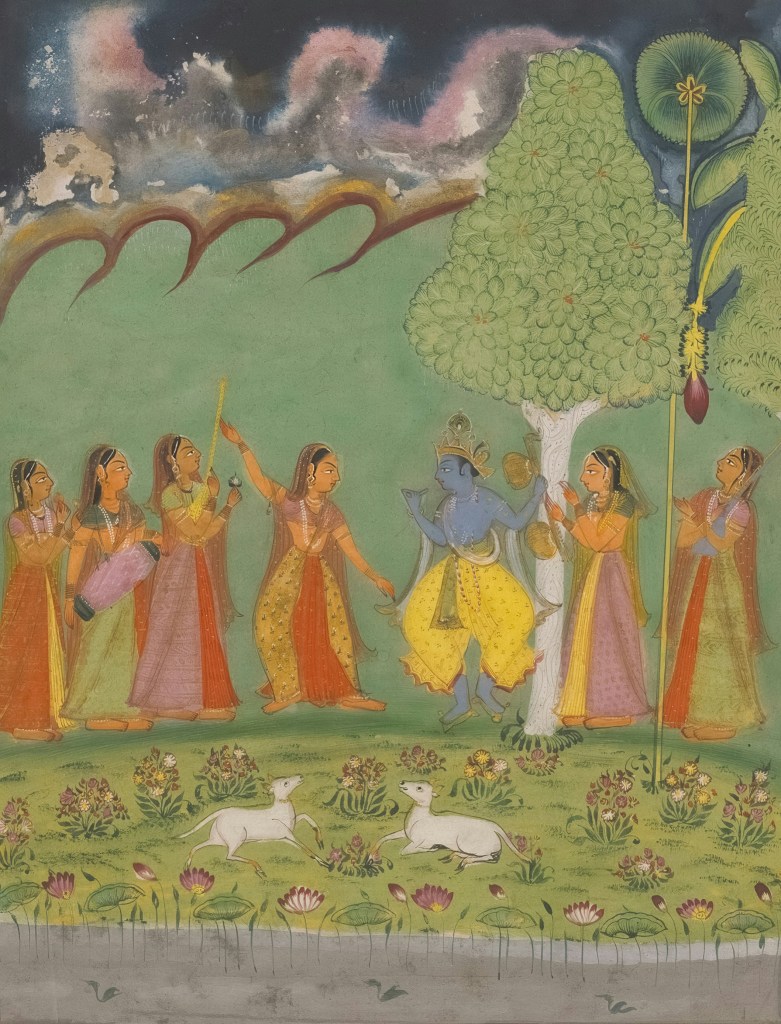
The Mahabharata has always been my all-time favorite. With the largest collection of verses in the world, it’s a vast universe of characters, subplots, and interwoven stories—each layered with complexity and meaning. What fascinates me most is how these tales are deeply rooted in real locations across present-day India, grounding mythology in tangible geography.
Perhaps it’s this blend of history, epic drama, and divine presence that draws me in. But more than anything, it’s Lord Krishna who holds my heart. His childhood—equal parts mischievous, brave, and miraculous—fills me with joy. The image of him dancing on the hood of the serpent Kalinga never fails to stir my imagination; it radiates power, grace, and an unshakable divine presence.
Starting my obsession with fantasy & fictional stories
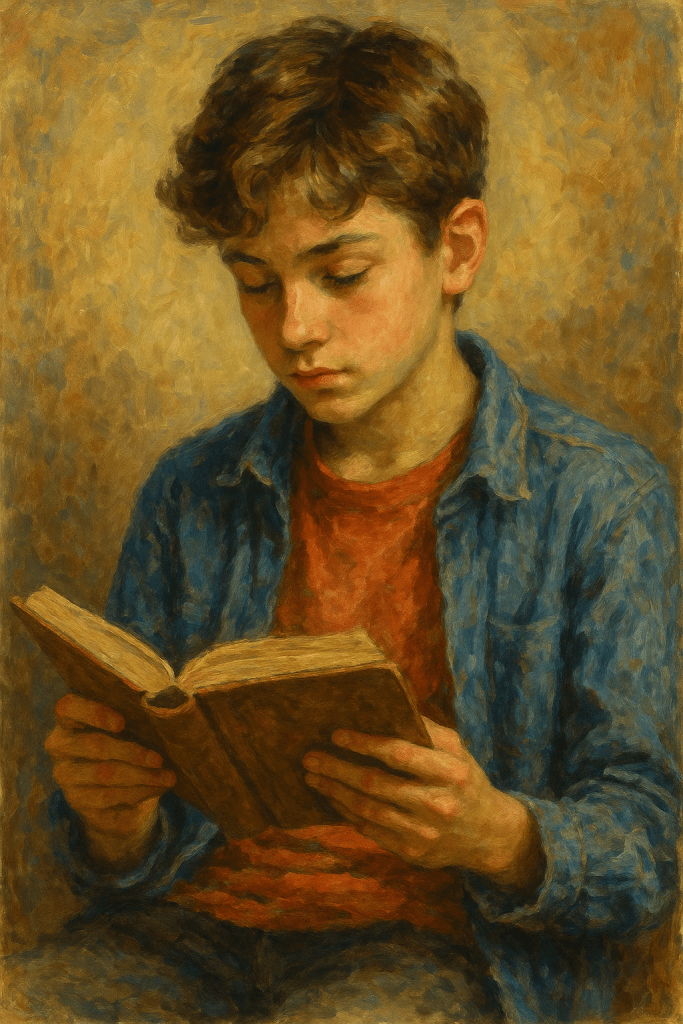
Reading short stories and novels only deepened my fascination with storytelling. The first book I ever read was a Telugu translation of The Story of Doctor Dolittle, which belonged to my cousin. I discovered it during a summer visit to my mother’s hometown and devoured its pages with childlike wonder beneath the quiet rhythms of village life.
And so began a lifelong passion for reading. I would read anything I could get my hands on. During visits to my father’s hometown, I discovered a local shop that sold everyday essentials and had a small lending library tucked inside. It was filled with short story collections and children’s magazines. The kind-hearted shopkeeper would lend me books, and each time I finished one, I’d return it and eagerly borrow another.
My obsession with books has stayed with me throughout life. Today, I’m a proud owner of over a hundred titles spanning genres like high fantasy, science fiction, mythology, and autobiographies. Reading has always been one of my favorite pastimes—it’s a quiet joy that fuels my curiosity and imagination. I’m also working on a separate blog dedicated entirely to my book explorations, which I look forward to sharing in the near future.
Fascinating History
Around the same time, my fascination with history also took root. At the beginning of each academic year, my father would bring home new textbooks, and I’d eagerly dive into them—often finishing chapters long before school even began.
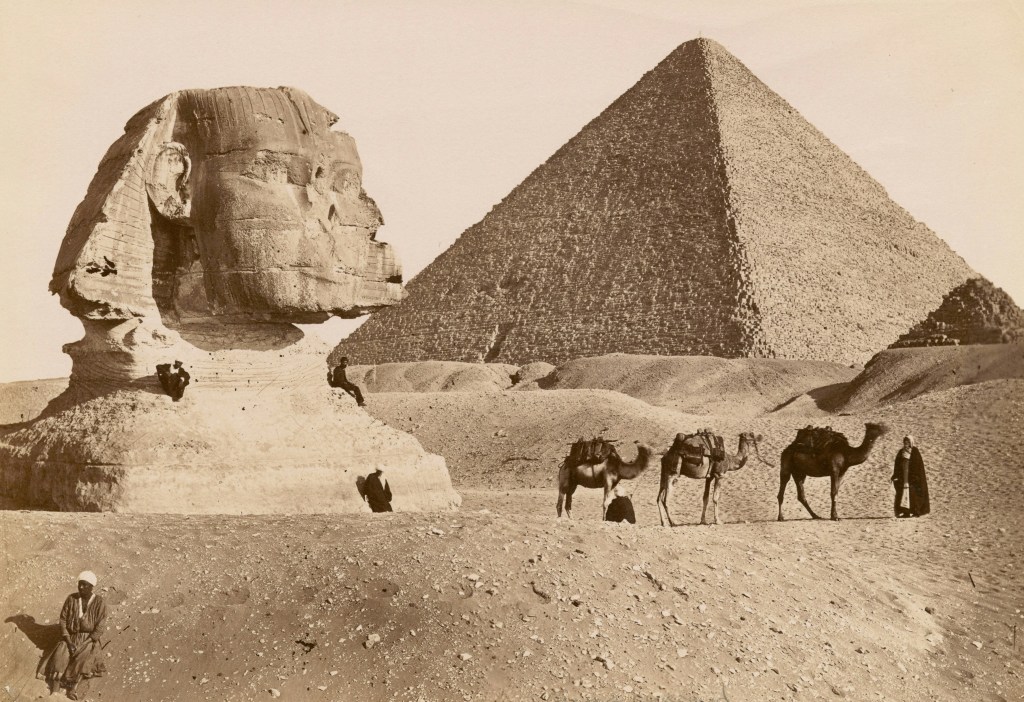
One of my earliest encounters with history was through the captivating world of Ancient Egypt. Over time, I explored the stories of the Greeks, Romans, and the Indus Valley Civilization in that very order. For me, the transition from the ancient to the medieval world is marked by the Fall of Constantinople in 1453—a turning point that reshaped history.
The Renaissance that followed was nothing short of remarkable. The first figure who comes to mind is Leonardo da Vinci, whose life story I first encountered in a moral science class at school. I was awestruck to learn about his incredible range of talents—an artist, inventor, scientist—perhaps the most multi-gifted individual of his time.
The history of my own country was never lost on me. Growing up in Karnataka, I was immersed in the rich heritage of South India—especially the region’s remarkable past. The legacies of dynasties like the Gangas, Kadambas, and Hoysalas—with their awe-inspiring temples, architectural brilliance, and rich literary patronage—left a lasting impression on me. I felt proud to be raised in a land so deeply rooted in culture, art, architecture, and literature.
My journey through history also took me through the stories of great kingdoms like the Mauryas and the Kushans, as well as towering figures like Alexander the Great. I vividly remember the tale of King Porus, who stood his ground with valor against Alexander. Though defeated, his courage earned Alexander’s respect—so much so that he returned Porus’s kingdom to him as a mark of honor.
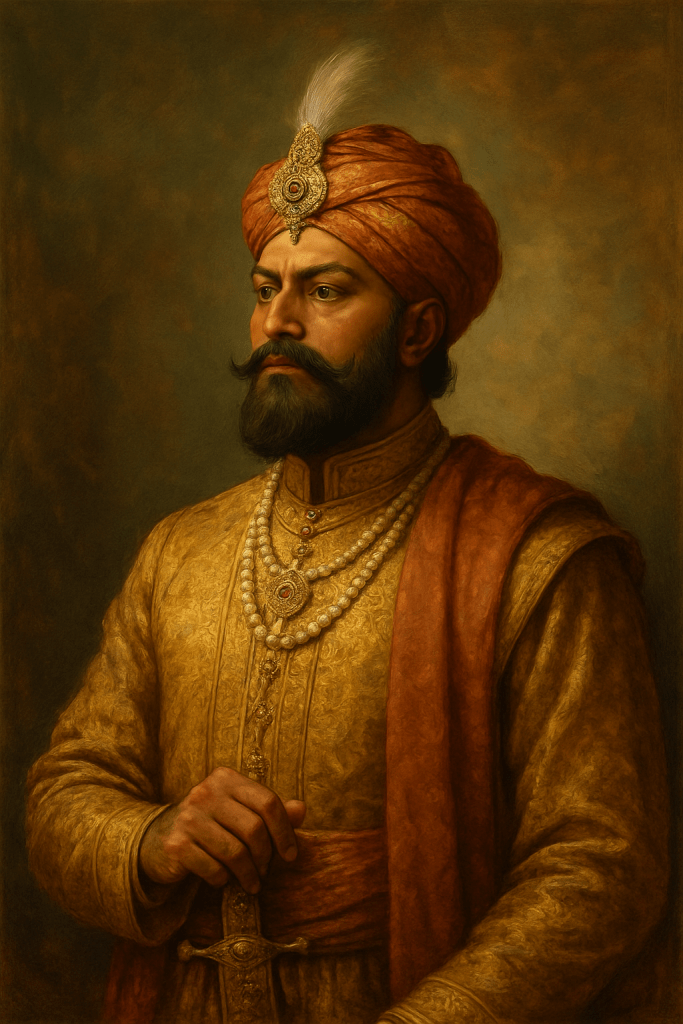
Whenever I hear the name Rajputs, the first word that comes to mind is bravery. Their lineage is filled with fearless and valiant warriors who left an indelible mark on Indian history. Later, the arrival of Muslim conquerors led to the establishment of several powerful kingdoms across the subcontinent. Among them, Emperor Akbar stands out as one of my favorites from the Mughal Empire—known not only for his conquests but also for his vision, diplomacy, and inclusive governance.
Kings & Kingdoms
One of my favorite Indian kings is Sri Krishnadevaraya—an iconic and much-admired ruler of the Vijayanagara Empire. I came to know about him not only through books, but also through visual media that left a lasting impact on me. Two major sources stand out: the animated TV show “Tenali Raman” on Cartoon Network, and the film “Aditya 369” directed by Singeetham Srinivasa Rao.

In “Aditya 369,” actor Nandamuri Balakrishna plays a dual role—as a modern-day college student and as Krishnadevaraya in the past. The film’s narrative follows the protagonist and his team as they travel through time using a “time machine,” visiting both the glorious Vijayanagara era and a futuristic world. The depiction of technological advancements in the future was truly captivating. In many ways, this movie sparked my interest in both historical grandeur and futuristic innovation.
One striking detail from the historical portrayal in the film is the immense wealth of the Vijayanagara Empire. It’s said that local vendors casually sold all kinds of jewels in the streets—mounds of diamonds and precious stones displayed openly, without any fear of theft. That single detail—precious gems and diamonds laid out openly on the streets, unguarded and freely traded—offers a breathtaking glimpse into the sheer opulence of the Vijayanagara Empire. It wasn’t just about material wealth; it was a reflection of a society so prosperous, secure, and culturally refined that even the most valuable treasures could be displayed without fear.
The film’s time-travel plot often made me wonder—if I ever had the chance to journey through time, I’d choose to go back to the era of Sri Krishnadevaraya. I’ve always dreamed of witnessing firsthand the grandeur, cultural brilliance, and unmatched prosperity of his reign. To walk those streets, see the temples, and feel the pulse of the Vijayanagara Empire at its zenith would be nothing short of extraordinary.
I was thrilled when I first heard the origin story of the Hoysala kingdom. As the tale goes, a young man named Sala was confronted by a tiger, and in that tense moment, his Guru commanded him with the words “Hoy Sala!”—meaning “Strike, Sala!” Rising to the challenge, he slew the beast. The courage captured in that moment left me in awe. Stories like these made me realize how incredibly brave and resilient people were in the past, performing feats that continue to inspire us centuries later.

Prominent kings who have always fascinated me include Chandragupta Vikramaditya, his father Samudragupta, Harshavardhana, and Amoghavarsha Nrupathunga. These were powerful rulers who commanded vast kingdoms and left a lasting imprint on Indian history. If I ever have a son, I would love to name him after one of these monarchs—especially Amoghavarsha Nripathunga. There’s something incredibly majestic about the name; just hearing or saying it evokes a sense of grandeur and timeless honor. In fact, I had compiled lists of kings and their kingdoms as a personal hobby.
Then there’s the illustrious dynasties of the Cholas, Pandyas, Pallavas, and the various branches of the Chalukyas—including the famed Badami Chalukyas. Among their many achievements, the Cholas constructed the magnificent Brihadeshwara Temple in Thanjavur, dedicated to Lord Shiva. Its towering vimana, rising to 216 feet (66 meters), is one of the tallest temple towers in the world, and stands as a breathtaking testament to the architectural and engineering brilliance of the Chola era I often find myself in awe of the masterful craftsmanship and vision their artisans possessed.
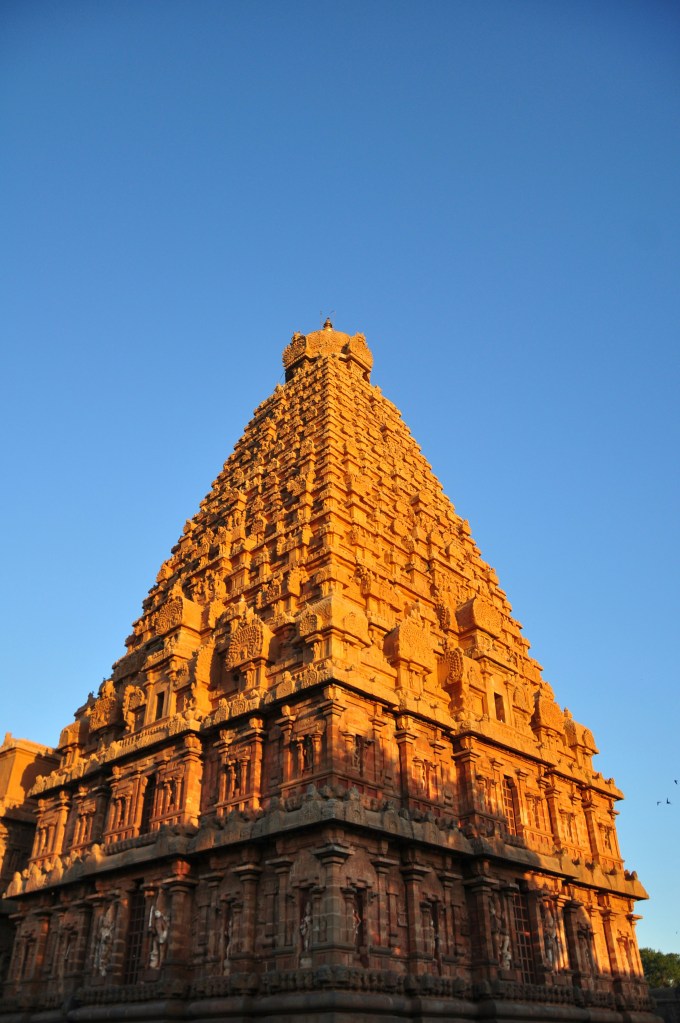
These kings were not just rulers—they were patrons of culture, architecture, and of literature. The thought that I can never truly walk among them, witness their world firsthand, or be part of that vibrant era… it lingers. Time, ever relentless, sweeps forward, leaving us with only echoes of their greatness.
Conclusion
The tapestry of history and mythology is woven with countless stories—some lost to time, others passed down through generations. These tales are more than just echoes of the past; they offer wisdom, intrigue, and a connection to the legends that have shaped civilizations.
I have always been fascinated by history and mythology. Mythology gave me beliefs that shaped my life—stories of gods and heroes that connected with me. History showed me a world full of wonders and mysteries, sparking my curiosity in many ways.
I believe history can guide us in the present—if we approach it with wonder. It teaches us how to live meaningfully, to strive for greatness, and to leave behind a legacy. After all, that’s the one thing we can truly do in this life: to live well, do good, and be remembered.
Whether you see mythology and history as intertwined or distinct, I’d love to hear your view. Share your thoughts in the comments!
 Uncompiled Stories
Leave a comment